


PP yarn batch consistency means maintaining stable yarn properties across different production batches. For manufacturers purchasing polypropylene yarn in bulk, consistent specifications help reduce production interruptions, product defects, and differences in finished-product appearance.
Batch consistency means that successive deliveries meet the agreed technical requirements. Depending on the application, these requirements may include:
Denier and linear density
Tensile strength and elongation
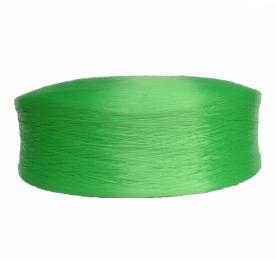
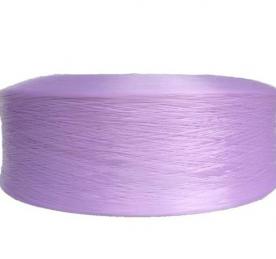
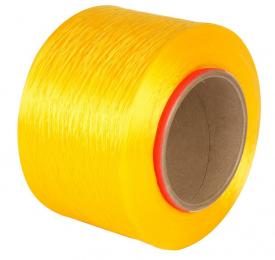
Color and appearance
Filament characteristics
Winding quality
Package weight and condition
The acceptable variation depends on the product specification and the customer's production requirements.
Variations in yarn properties can create problems during downstream processing.
For example, differences in linear density or tensile properties may affect machine settings and product uniformity. Color variation can be particularly noticeable when multiple yarn packages are used in the same finished product.
Inconsistent winding may also cause feeding problems, yarn breaks, or unnecessary machine stoppages.
These issues can increase material waste and production costs, especially in large-volume manufacturing.
Several factors can influence consistency, including raw material variation, production settings, equipment condition, and process control.
Color consistency may also be affected by differences in pigments, additives, and production conditions.
A manufacturer needs appropriate quality-control procedures to identify variations and keep finished yarn within the agreed specification.
Buyers can take several practical steps before starting large-scale production.
1. Confirm written specifications. Define the required denier, strength, elongation, color, and other critical properties.
2. Evaluate production samples. Test samples using methods relevant to the intended application.
3. Compare different batches. Where consistency is critical, compare samples from separate production batches rather than relying on one sample alone.
4. Agree on inspection requirements. Clarify testing methods, acceptance criteria, packaging, and procedures for handling quality deviations.
5. Monitor repeat orders. Keep records of approved samples and inspection results to help identify changes over time.
A reliable supplier should be able to communicate technical specifications clearly, maintain documented production controls, and investigate quality deviations.
Buyers should also consider production capacity, traceability, testing arrangements, and the supplier's ability to maintain consistent quality during repeat orders.
Certificates and test reports can support supplier evaluation, but they do not replace checks against the buyer's actual product requirements.
Batch consistency is essential when polypropylene yarn is used in repeat production or large-volume manufacturing. Stable yarn properties help buyers maintain product uniformity, improve processing efficiency, and reduce avoidable waste.
When choosing a PP yarn manufacturer, buyers should evaluate not only the initial sample but also the supplier's ability to reproduce the agreed specifications across future batches.


 sales@cdfibre.com



View More(Total0)Comment Lists