

Polypropylene yarn offers good resistance to many common acids, alkalis, and chemical solutions, making it suitable for selected industrial textile applications. However, its chemical resistance depends on the specific chemical, concentration, temperature, and exposure time.
Polypropylene is a thermoplastic polymer with good resistance to many commonly encountered chemicals. Unlike some materials that are more easily affected by moisture or certain chemical environments, PP yarn can maintain its useful properties under many suitable operating conditions.
Its chemical resistance can make it a practical option for applications such as industrial filter fabrics, chemical-handling textiles, and selected technical textile products.
However, not all chemicals affect polypropylene in the same way. Strong oxidizing agents and certain solvents may damage the material, particularly at elevated temperatures or during prolonged exposure.
Yes. The polymer itself provides the basic chemical resistance, but the performance of a finished textile product also depends on yarn construction, fabric structure, additives, and operating conditions.
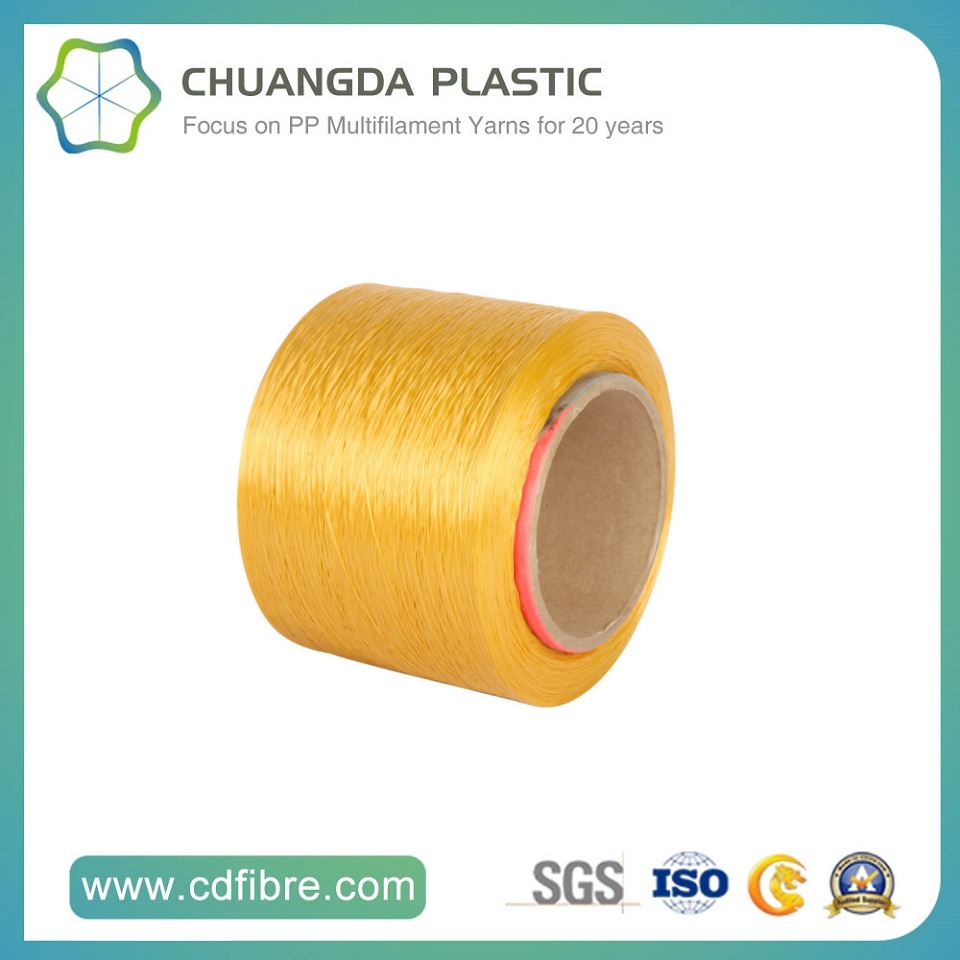
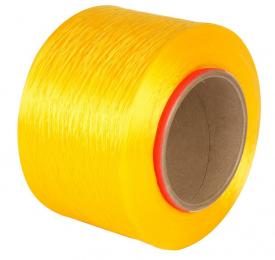
For example, PP FDY yarn may be selected for industrial woven products where continuous filaments and consistent yarn structure are required. The final fabric's suitability must still be evaluated for the actual chemical environment.
A yarn's chemical resistance should not be assumed to guarantee the performance of the entire finished product.
Before purchasing polypropylene yarn for an industrial application, buyers should identify:
The chemical name and concentration
Operating temperature
Expected exposure time
Required tensile strength after exposure
Intended use of the finished textile
Testing the yarn or finished fabric under representative operating conditions can help confirm whether the material is suitable.
Industrial textiles may encounter cleaning agents, chemical solutions, or demanding processing environments. Choosing an appropriate polymer can help improve service reliability and reduce premature material failure.
For manufacturers, selecting the correct yarn requires balancing chemical compatibility with strength, flexibility, processing requirements, and cost.
Polypropylene yarn has good resistance to many common chemicals, but it is not universally resistant to every chemical environment.
For industrial buyers, the best approach is to confirm the exact exposure conditions and evaluate material compatibility before placing a bulk order. A reliable PP yarn supplier should help customers identify suitable specifications for their intended application.


 sales@cdfibre.com



View More(Total0)Comment Lists