

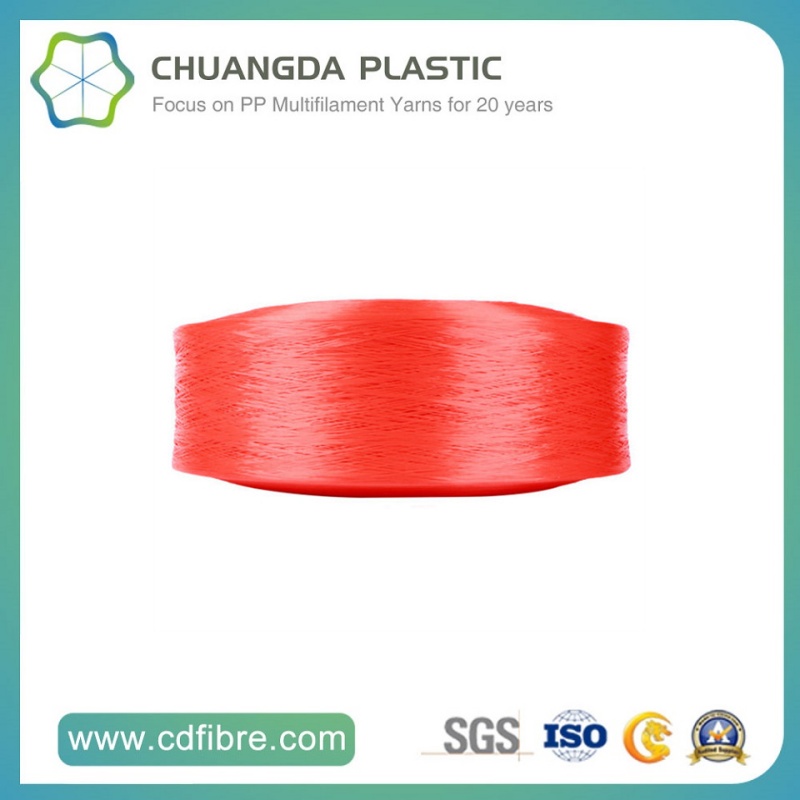
Polypropylene yarn can offer environmental advantages because it is lightweight, durable, and potentially recyclable. However, its overall environmental impact depends on how it is produced, used, collected, and managed at the end of its service life.For manufacturers and buyers, evaluating polypropylene yarn sustainability requires looking beyond the material itself.
Polypropylene (PP) is a thermoplastic polymer used in many textile and industrial applications. Its relatively low density means that less material by weight may be needed for some products compared with heavier alternatives.Depending on the application, PP yarn can also provide good resistance to moisture and many common chemicals. Durable products may remain in service for a long time, reducing the need for frequent replacement.These benefits depend on product design and actual service conditions. Lightweight construction alone does not guarantee a lower environmental footprint. When properly engineered, PP yarn can outperform heavier fiber options in certain industrial and outdoor textile use cases.
Polypropylene is technically recyclable, but recycling opportunities depend on local infrastructure and the type of waste collected.Clean, identifiable PP production waste may be easier to recycle than used textile products made from mixed materials. Coatings, dyes, additives, contamination, and combinations of different fibers can complicate recycling.Recycled PP yarn for textiles is often certified to the Global Recycled Standard (GRS), which verifies recycled content, traceability and responsible production. Buyers interested in recycled content should ask suppliers about the material source, recycled content percentage, traceability, and supporting documentation.
Manufacturers can improve resource efficiency through several practical measures:
Selecting yarn specifications appropriate for the application
Reducing yarn breakage and production waste
Optimizing material use during manufacturing
Separating compatible PP waste for recycling
Choosing packaging that meets protection needs without unnecessary material
These measures can help reduce avoidable waste throughout the supply chain. Many PP yarn producers implement in-house scrap recycling programs to reuse clean offcuts directly in yarn production.
Buyers evaluating sustainability claims should ask whether the yarn contains recycled material, whether the supplier can provide supporting evidence, and whether relevant certifications or test reports are available.It is also important to distinguish between a product that is technically recyclable and one that can actually be recycled through available local systems.Environmental claims should be specific and supported by evidence rather than based on broad statements such as “eco-friendly.” Valid supporting documents may include carbon footprint assessments, GRS certificates, or third-party lab test results.
Polypropylene yarn can contribute to resource-efficient product design through its lightweight properties, durability, and potential recyclability. Its environmental benefits depend on material sourcing, manufacturing efficiency, product lifespan, and end-of-life management.For B2B buyers, the most useful approach is to evaluate specific product data and documented sustainability claims when selecting a polypropylene yarn supplier.If you need detailed sustainability data, GRS certificates or product samples of polypropylene yarn, feel free to contact our team for supporting documents and technical consultation.


 sales@cdfibre.com



View More(Total0)Comment Lists