


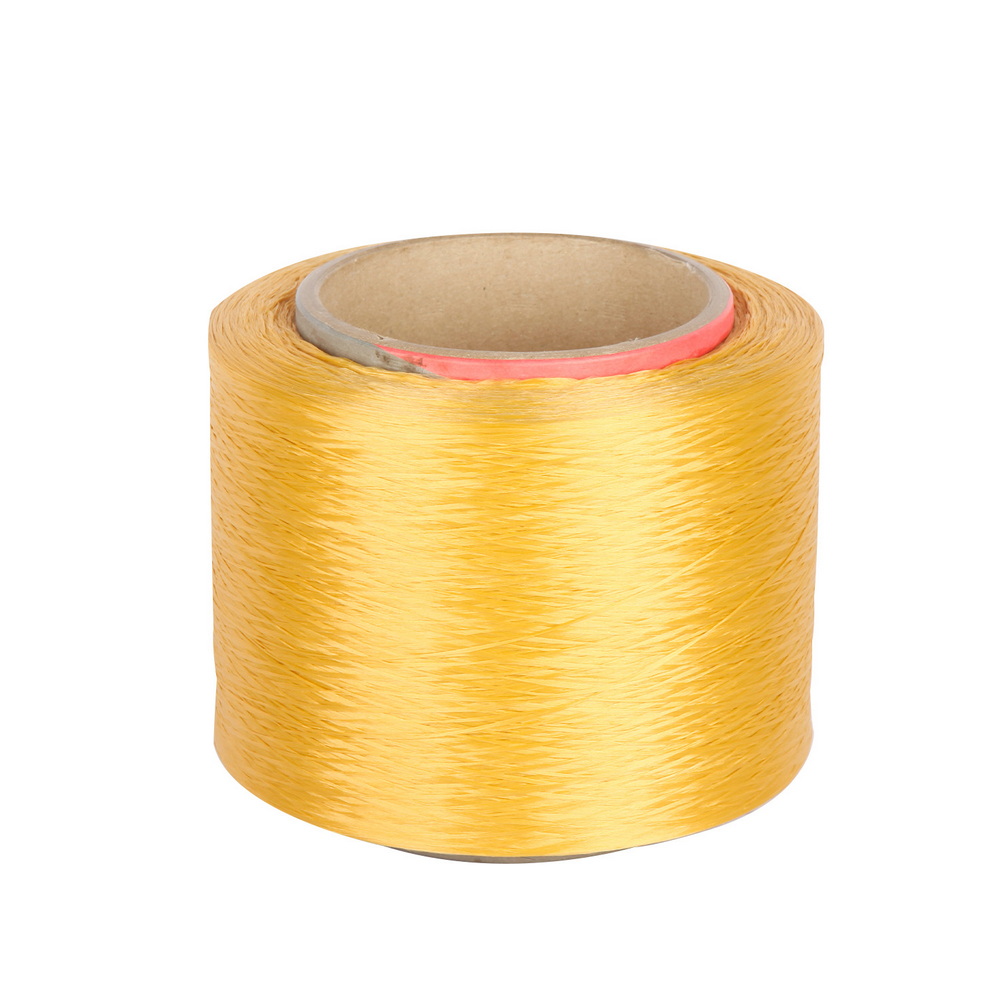
Polypropylene yarn count describes the size or fineness of a yarn. In industrial PP yarn, denier (D) is one of the most commonly used specifications.
Denier indicates the weight in grams of 9,000 meters of yarn. A higher denier generally indicates a heavier yarn.
For example, 600D polypropylene yarn is heavier per unit length than 300D polypropylene yarn.
Filament count, often shown as F, indicates the number of individual continuous filaments in a yarn.
For example, a specification such as 1260D/144F means the total yarn has a denier of 1260 and contains 144 individual filaments.
Denier and filament count describe different characteristics and should not be treated as the same specification.
Filament count can affect the structure and feel of polypropylene yarn.
Depending on the manufacturing process, different filament counts may provide differences in:
Yarn surface
Flexibility
Uniformity
Fabric appearance
Processing characteristics
Therefore, buyers should consider both denier and filament count when selecting PP yarn.
A complete yarn specification may include:
Yarn type
Denier
Filament count
Color
Strength
Elongation
Packaging
Providing these details allows a manufacturer to understand the exact yarn required.
No. A higher filament count is not automatically better.
The appropriate filament count depends on the finished product and production equipment. Different textile applications require different combinations of denier and filament structure.
Polypropylene yarn count is an important part of technical yarn specifications. Denier describes yarn linear density, while filament count describes the number of individual filaments.
Understanding both specifications helps buyers communicate requirements accurately with a polypropylene yarn manufacturer.


 sales@cdfibre.com



View More(Total0)Comment Lists