


Polypropylene yarn quality is evaluated through physical, mechanical, and appearance tests.
For industrial buyers, testing is important because consistent yarn quality can directly affect downstream production and finished-product performance.
Common quality-control tests include:
Tensile testing measures the force required to break the yarn. It helps determine whether the yarn meets the required strength specification.
Elongation measures how much the yarn stretches before breaking.
Strength and elongation are normally evaluated together because different applications require different mechanical characteristics.
Denier testing verifies whether the actual yarn linear density matches the specified value.
Consistent denier helps maintain stable production during weaving or other textile processes.
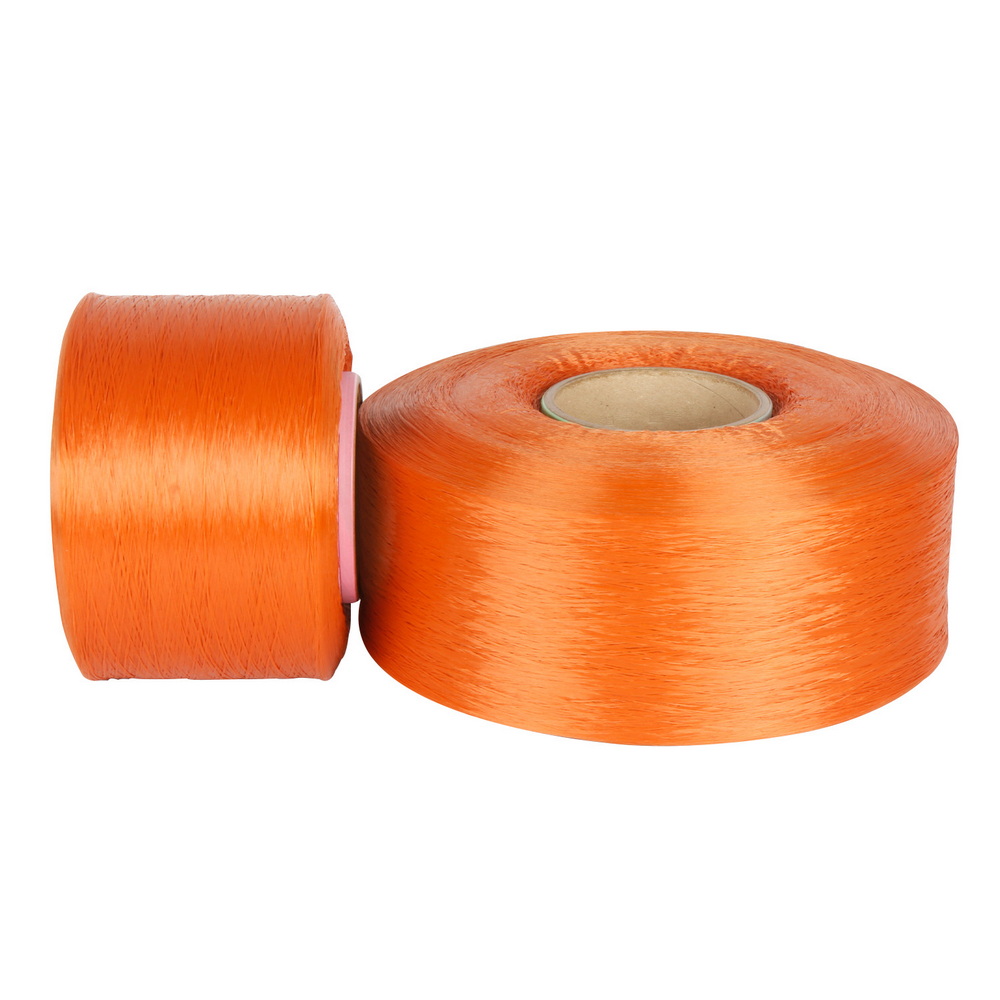
Visual inspection can identify issues such as:
Uneven yarn
Broken filaments
Knots
Contamination
Irregular winding
Good appearance quality helps reduce problems during downstream processing.
For large-volume textile production, consistency between batches is especially important.
If yarn characteristics vary significantly from one batch to another, customers may experience differences in processing performance or finished-product appearance.
Professional manufacturers therefore maintain production records and conduct quality inspections throughout manufacturing.
Yes. For a new supplier, requesting a sample before placing a large order is a practical way to evaluate yarn quality.
Buyers can test the sample on their own equipment and compare:
Processing performance
Physical properties
Appearance
Finished-product results
This provides more useful information than comparing specifications alone.
Polypropylene yarn quality should be evaluated through multiple factors rather than a single test. Tensile strength, elongation, denier, appearance, and batch consistency are all important considerations.
A reliable PP yarn supplier should be able to provide product specifications, quality-control information, and samples for customer evaluation.


 sales@cdfibre.com



View More(Total0)Comment Lists