

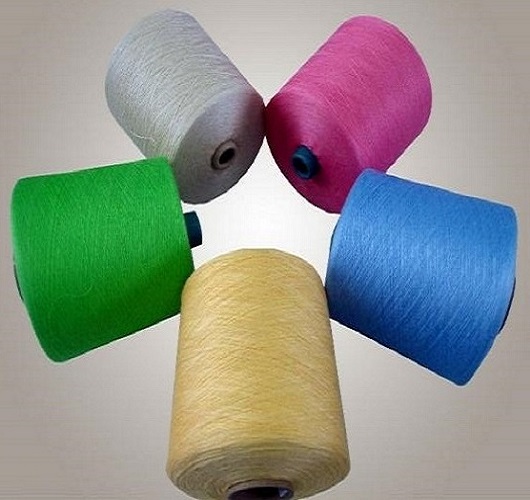
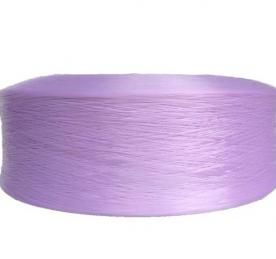
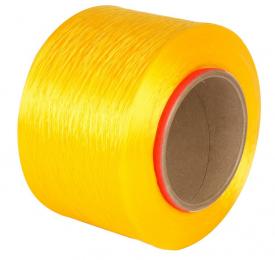
Polypropylene Air-Jet Textured Yarn (PP ATY) is produced by subjecting polypropylene (PP) filament to air-jet texturing technology. This process modifies the physical structure of continuous filaments using high-velocity compressed air, resulting in a yarn with increased bulk, enhanced surface texture, and improved cohesion.
The manufacturing process of PP ATY primarily consists of the following stages:
1. Precursor Preparation
High-quality polypropylene filament is selected as the feedstock. Critical parameters such as linear density, filament count, and yarn uniformity directly dictate the final appearance and performance of the textured yarn.
2. Air-Jet Texturing
The PP filaments are fed into a specially designed air-jet nozzle, where compressed air is injected under controlled conditions. The high-speed air flow induces the individual filaments to crimp, separate, and entangle, forming a three-dimensional, bulky structure along the yarn's length. Key processing parameters—including air pressure and yarn feed speed—play a pivotal role in determining the yarn's bulk and surface profile.
3. Cooling and Stabilization
Subsequent to texturing, the yarn undergoes cooling and stabilization to set the newly formed structure. This step ensures superior dimensional stability and consistent performance during downstream processing and end-use applications.
4. Winding and Packaging
The finished PP ATY is wound onto packages suitable for storage, transportation, and subsequent textile processes such as weaving or knitting.
Through this efficient and flexible process, polypropylene filament is transformed into an air-jet textured yarn characterized by improved bulk, excellent processability, and broad application versatility.


 sales@cdfibre.com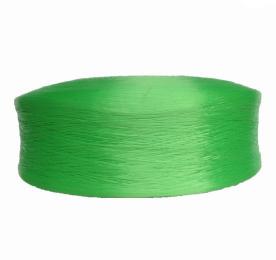



View More(Total0)Comment Lists