

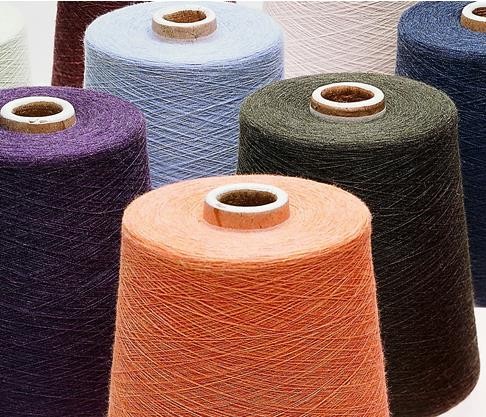
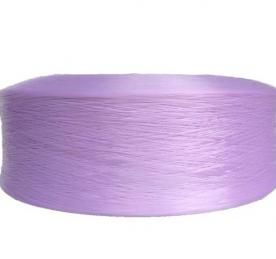
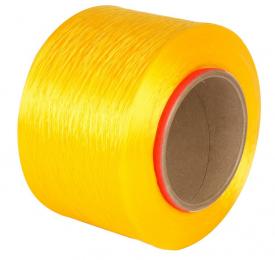
Polypropylene Air-Jet Textured Yarn (PP ATY) integrates the intrinsic benefits of polypropylene (PP) polymer with the structural modifications achieved through air-jet texturing. This combination results in a yarn that excels in durability, comfort, and cost-effectiveness, positioning it as a versatile material for diverse textile applications.
Key Properties
Lightweight: PP ATY benefits from polypropylene's low density of 0.91 g/cm³, the lowest among all major textile fibers. This characteristic significantly reduces fabric weight while maintaining adequate tensile strength.
Hydrophobicity: PP is inherently hydrophobic with zero moisture absorption. This ensures that PP ATY remains dry, resists mildew, and dries extremely quickly, even in humid environments.
Enhanced Bulk and Cover: The air-jet process imparts a high degree of bulkiness and surface texture, providing fabrics with excellent cover and a soft, natural hand feel, distinct from the smooth surface of conventional PP filament yarns.
Chemical and Abrasion Resistance: The yarn exhibits strong resistance to acids, alkalis, and organic solvents. Additionally, its abrasion resistance ensures reliable performance in applications involving repeated friction.
Application Areas
Apparel: Due to its lightweight nature and quick-drying properties, PP ATY is ideal for sportswear, activewear, and casual clothing. It is also commonly used in socks and linings for its moisture-wicking capabilities.
Home Textiles: PP ATY is utilized in upholstery, curtains, and decorative fabrics. Its dimensional stability and resistance to staining make it suitable for long-term use in household environments.
Industrial Textiles: The yarn's chemical resistance and low moisture absorption make it a preferred choice for ropes, nets, geotextiles, packaging materials, and filtration fabrics.
Conclusion
Despite challenges such as limited dyeability and poor UV resistance (which often requires additives), PP ATY remains a crucial material in modern textiles due to its unique balance of lightweight performance, durability, and cost efficiency.


 sales@cdfibre.com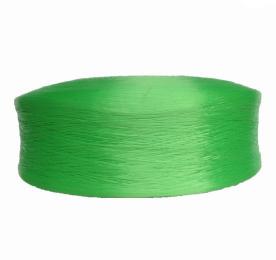



View More(Total0)Comment Lists