

Principle and Basic Concept Explained
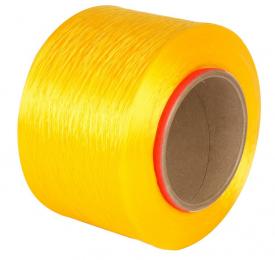
Polypropylene Air-Jet Textured Yarn (PP ATY) is a functional yarn produced by processing polypropylene filament yarn through an air-jet texturing process. Unlike conventional polypropylene filament yarn, which has a smooth and straight structure, air-jet textured yarn is formed by using high-pressure compressed air to create loops, entanglements, and bends among individual filaments, resulting in a bulkier and more natural yarn appearance.
During the air-jet texturing process, compressed air is injected into a specially designed jet nozzle. The high-speed airflow causes the polypropylene filaments to separate, rearrange, and interlace in a random three-dimensional structure. This process significantly enhances yarn bulk, surface texture, and cohesion, giving the yarn characteristics similar to those of spun yarn while maintaining the inherent advantages of continuous filaments.
PP ATY retains the key properties of polypropylene, including low density, excellent moisture resistance, good chemical stability, and durability. At the same time, the air-jet textured structure improves softness, fabric cover, and handling performance, making the yarn suitable for applications where both lightweight performance and comfort are required.
By adjusting processing parameters such as air pressure, yarn speed, and filament configuration, polypropylene air-jet textured yarn can be produced with different bulk levels and surface effects. This flexibility allows PP ATY to meet diverse requirements across textile and industrial applications.
Thanks to its balanced performance, cost efficiency, and versatility, polypropylene air-jet textured yarn is widely used in apparel, home textiles, and industrial textile products.


 sales@cdfibre.com



View More(Total0)Comment Lists