

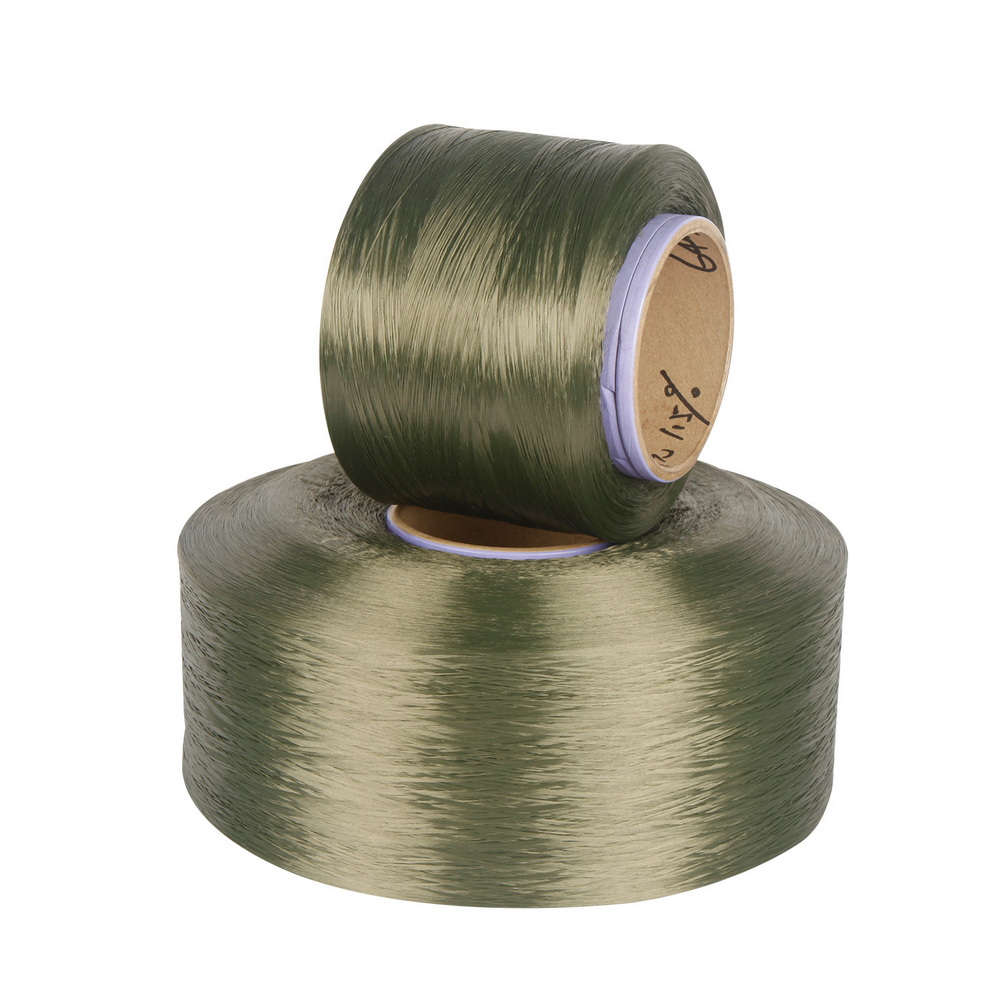
Yarn twist refers to the amount and direction of rotation introduced into yarn during processing.
Twist helps hold individual filaments together and can change the yarn's appearance, handling, and processing characteristics.
For polypropylene yarn, twist can be adjusted according to the requirements of the final textile product.
The appropriate twist level can influence several aspects of yarn performance, including:
Yarn cohesion
Surface appearance
Handling characteristics
Abrasion behavior
Fabric structure
Too little or too much twist may affect how the yarn performs during weaving, knitting, or other downstream processes.
No. Not all polypropylene yarn requires additional twisting.
Many continuous filament PP yarns are supplied without a separate twisting process, depending on their intended use.
Twisted polypropylene yarn is used when the customer's manufacturing process requires additional yarn cohesion or a particular structure.
S-twist and Z-twist describe the direction in which the yarn is twisted.
The two directions are commonly used in textile manufacturing and can be selected according to the requirements of the final product or machinery.
For products using multiple yarns together, twist direction can also be important for maintaining the desired yarn structure.
When purchasing twisted PP yarn, buyers should provide the required:
Twist level
Twist direction
Yarn denier
Filament structure
End application
Clear specifications help the manufacturer produce yarn that matches the customer's processing equipment and finished-product requirements.
Yarn twist is an important technical specification when twisted polypropylene yarn is required. The correct twist level depends on the intended application and downstream production process.
A professional PP yarn supplier can help customers determine suitable twist specifications and provide customized polypropylene yarn according to their production requirements.


 sales@cdfibre.com



View More(Total0)Comment Lists