

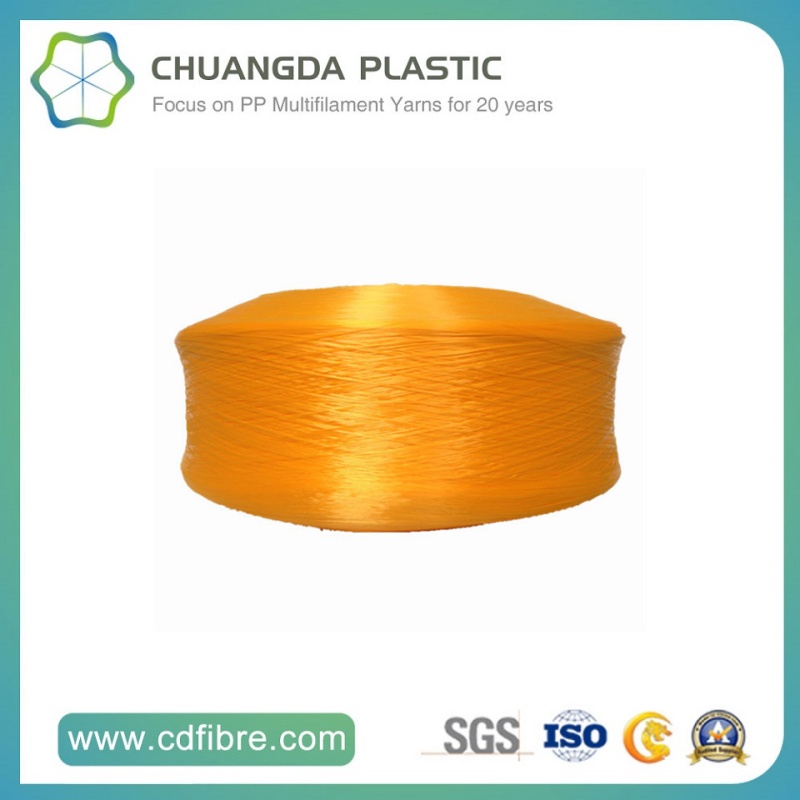
The durability of polypropylene yarn products depends not only on the yarn itself but also on product design, manufacturing quality, and operating conditions.
Understanding the factors that influence service life can help manufacturers and end users maximize product performance.
Different applications require different yarn characteristics.
Choosing the correct denier, tensile strength, and yarn structure ensures the finished product performs as expected throughout its service life.
Outdoor applications may require UV-stabilized polypropylene yarn, while chemically exposed environments require excellent corrosion resistance.
Selecting yarn based on actual working conditions helps improve long-term durability.
Even high-quality yarn cannot deliver optimal performance if weaving, twisting, or finishing processes are not properly controlled.
Stable manufacturing processes contribute to stronger and more reliable finished products.
For industrial products such as ropes, webbings, and geotextiles, periodic inspection helps identify wear before it affects safety or performance.
Preventive maintenance can extend service life and reduce replacement costs.
A professional polypropylene yarn supplier can recommend suitable yarn specifications based on application requirements and provide consistent product quality over long-term cooperation.
Improving the service life of polypropylene yarn products requires the right combination of material selection, manufacturing quality, and proper application. By focusing on these factors, manufacturers can improve product reliability and reduce long-term operating costs.


 sales@cdfibre.com



View More(Total0)Comment Lists