


Agriculture is one of the largest end-use sectors for polypropylene yarn. From crop protection to packaging and baling, polypropylene yarn plays an important role in improving efficiency, durability, and cost-effectiveness in modern farming operations.
Its lightweight structure, weather resistance, and excellent mechanical properties make it a preferred material for a variety of agricultural products.
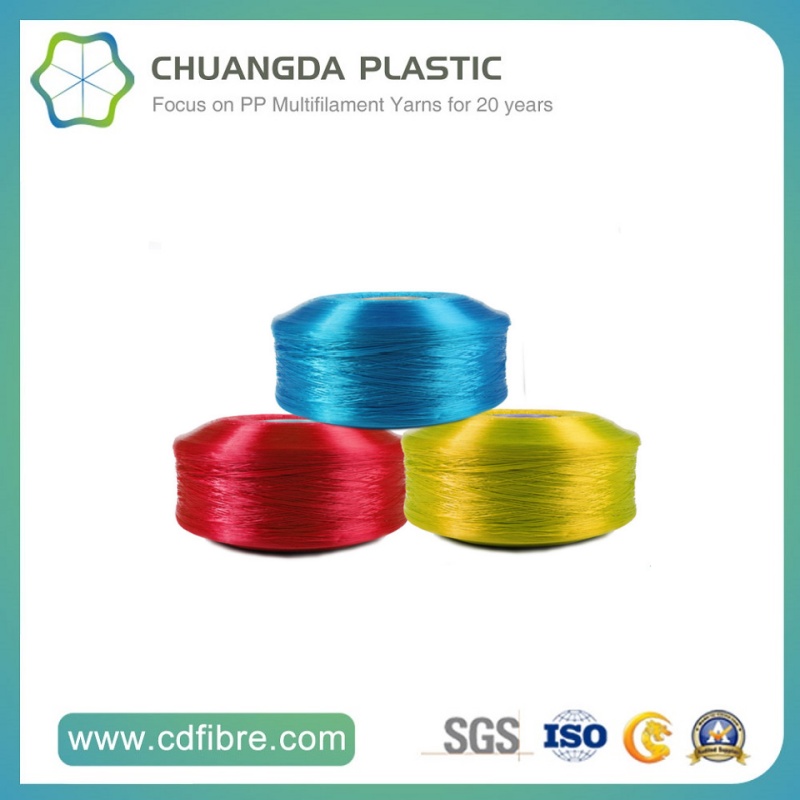
Polypropylene yarn is widely used to manufacture agricultural twines and baler twines.
These products require:
High tensile strength
Good knot stability
Lightweight handling
Resistance to outdoor conditions
PP yarn provides reliable performance during harvesting, packaging, and storage operations.
Many agricultural regions require protection from excessive sunlight and harsh weather conditions.
Polypropylene yarn is commonly used in:
Shade nets
Greenhouse fabrics
Crop protection covers
When combined with UV stabilization, PP yarn can maintain durability during prolonged outdoor exposure.
Woven polypropylene fabrics made from PP yarn are widely used for packaging:
Grains
Seeds
Fertilizers
Animal feed
The material offers excellent strength while remaining lightweight and cost-efficient.
Compared with many traditional materials, polypropylene yarn offers:
Low moisture absorption
Good chemical resistance
Lightweight structure
Long service life
Cost-effective performance
These advantages make it suitable for large-scale agricultural applications.
Polypropylene yarn has become an essential material in modern agriculture. Its strength, durability, and resistance to environmental conditions help improve efficiency across farming, packaging, and crop protection applications.


 sales@cdfibre.com



View More(Total0)Comment Lists