

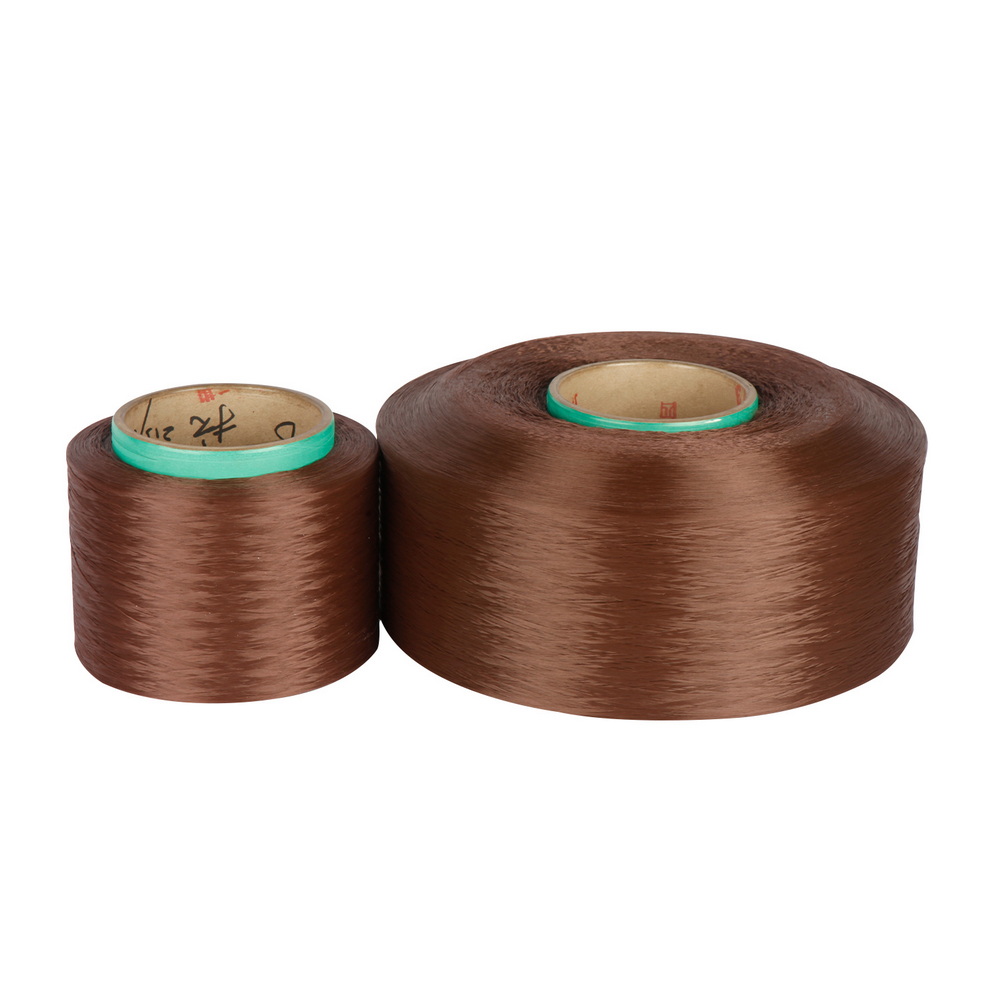
Polypropylene yarn is widely used in industrial textiles, ropes, webbing, packaging, and technical fabric applications. Many buyers ask an important question: Is polypropylene yarn safe to use?
The answer depends on the application, product quality, and manufacturing standards. In general, polypropylene yarn is considered a chemically stable and reliable synthetic yarn for many industrial uses.
Polypropylene yarn is made from polypropylene polymer (PP), a lightweight thermoplastic material widely used in textile and industrial manufacturing.
It is known for:
Low moisture absorption
Lightweight structure
Good chemical resistance
High durability in many applications
Cost-effective performance
These properties make polypropylene yarn a common choice in industrial textile production.
Polypropylene yarn has good chemical stability under normal industrial conditions.
It offers resistance to many:
Acids
Alkalis
Moisture
Corrosive environments
This makes it suitable for applications where yarns may be exposed to demanding environmental conditions.
However, chemical compatibility still depends on specific usage conditions and application requirements.
One of the key advantages of polypropylene yarn is its very low moisture absorption.
Compared with many other fibers, polypropylene does not easily absorb water, which helps maintain yarn performance in humid or wet environments.
This property makes it widely used in:
Marine ropes
Agricultural applications
Outdoor fabrics
Industrial packaging
Geotextile products
Yes, polypropylene yarn is widely used in industrial applications because of its stable performance and reliable physical properties.
Common applications include:
Webbing
Ropes and cords
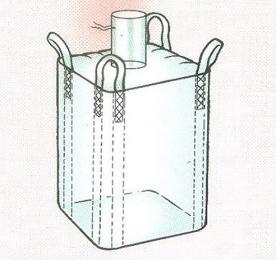
FIBC bags
Geotextiles
Filter fabrics
Industrial woven fabrics
Its suitability depends on selecting the correct denier, tenacity, UV resistance, and performance grade for the intended application.
Safety and performance depend not only on the material itself, but also on manufacturing quality.
Buyers should evaluate:
Virgin or qualified recycled raw materials can affect consistency and performance.
Check available testing reports such as:
SGS testing
REACH compliance
Color fastness testing
Application-specific performance reports
Different uses may require:
UV stabilization
High tenacity yarn
Customized denier
Special color requirements
Polypropylene yarn is widely regarded as a stable and reliable synthetic yarn for industrial applications when manufactured under proper quality standards. Buyers should select polypropylene yarn according to application requirements, performance specifications, and compliance standards to ensure reliable use.


 sales@cdfibre.com



View More(Total0)Comment Lists