

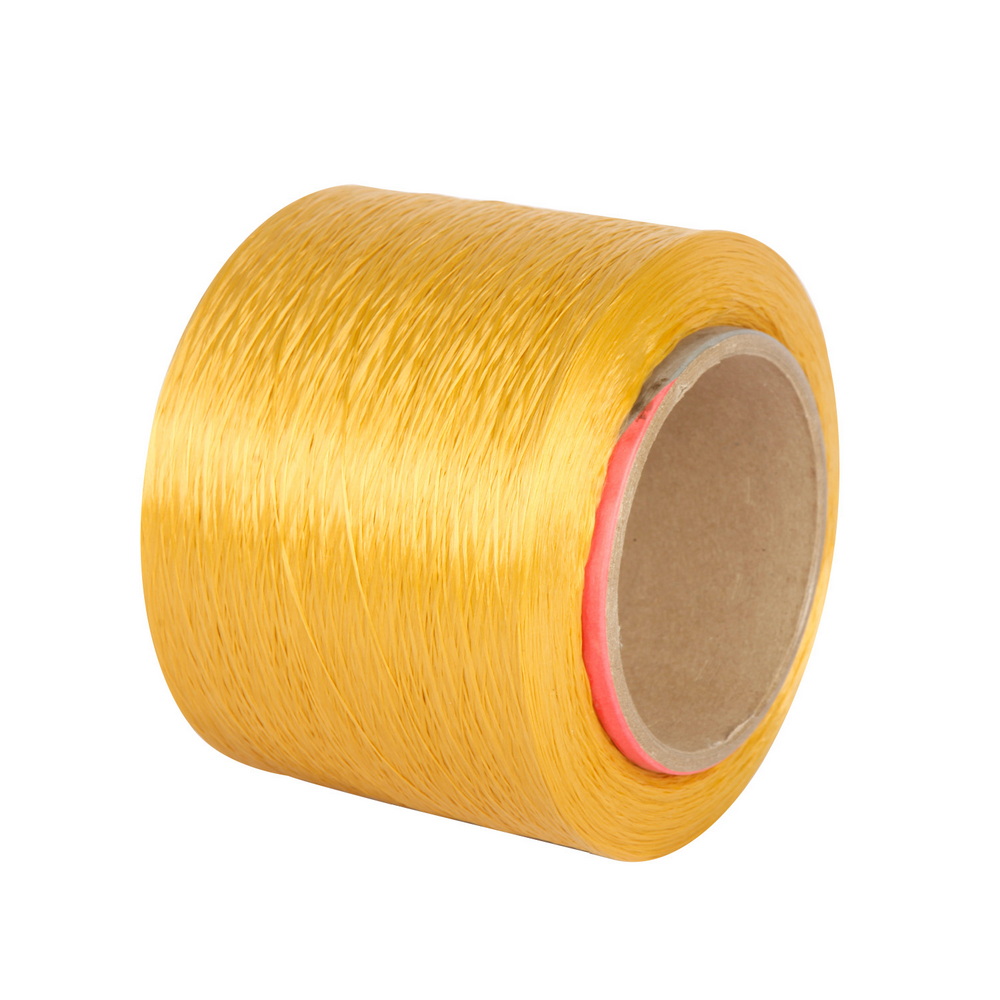
Polypropylene (PP) yarn has limited natural resistance to prolonged ultraviolet (UV) exposure. For outdoor applications, UV-stabilized PP yarn is recommended because UV additives can help slow material degradation and extend service life under sunlight.
Yes. Long-term exposure to sunlight can gradually weaken untreated polypropylene yarn.
Ultraviolet radiation can cause photo-oxidation in polypropylene, leading to changes in its molecular structure. Over time, this may result in:
Reduced tensile strength
Lower elongation
Surface deterioration
Color fading or changes
Increased brittleness
The speed of degradation depends on UV intensity, exposure time, temperature, yarn construction, and the presence of stabilizing additives.
UV-stabilized PP yarn is polypropylene yarn formulated with UV-protective additives to improve its resistance to sunlight.
These additives help slow the degradation process caused by ultraviolet radiation. They do not make the yarn completely immune to sunlight, and the actual protection depends on the additive system, concentration, polymer grade, and outdoor conditions.
UV stabilization is particularly relevant for products that remain outdoors for extended periods, such as:
Agricultural nets and ropes
Outdoor webbing and straps
Geotextile-related products
Industrial covers and tarpaulins
Outdoor packaging and woven products
The required UV protection depends on the intended service life and local environmental conditions.
Factors to consider include:
Exposure duration: Products used outdoors continuously generally need more protection than products used occasionally.
Climate: Strong sunlight, high temperatures, and local weather conditions can accelerate material aging.
Product design: Yarn denier, fabric structure, color, and finished-product construction may affect overall outdoor performance.
Expected service life: Buyers should define how long the finished product is expected to remain in service.
UV additive levels should be selected according to the application and verified through suitable testing. A higher additive percentage does not automatically guarantee a proportionally longer service life.
Buyers should request technical information and test results that reflect the intended outdoor application.
Useful evaluation methods include accelerated weathering tests, followed by measurements of tensile strength retention, elongation, and visual changes.
ASTM G154 describes the use of fluorescent UV lamps to expose nonmetallic materials to simulated weathering conditions. ASTM G155 covers xenon-arc light exposure. These are accelerated laboratory methods; test conditions and results should not be treated as direct predictions of outdoor service life.
Can ordinary PP yarn be used outdoors?
Yes, but untreated PP yarn may degrade under prolonged sunlight exposure. For long-term outdoor applications, UV-stabilized material is generally a better choice.
Does UV-stabilized PP yarn last forever in sunlight?
No. UV stabilization slows degradation but cannot prevent it indefinitely. Service life depends on exposure conditions, formulation, and product design.
Can UV additives be added during PP yarn production?
Yes. UV stabilizers can be incorporated into the polypropylene formulation during manufacturing. Buyers should discuss the required protection level with the yarn manufacturer.
Is UV-resistant PP yarn suitable for ropes and agricultural nets?
It can be suitable for these applications when the yarn specification and UV protection are designed for the expected outdoor conditions. Finished-product testing is recommended.
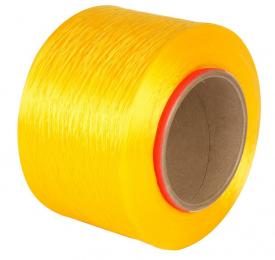
Chuangda Plastics supplies polypropylene FDY, BCF, ATY, and twisted yarn for different industrial and textile applications. UV-protective additives can be discussed according to customer requirements, with additive levels customized based on the intended application.
For outdoor products, selecting the right yarn formulation is an important step toward improving durability and maintaining performance.
Visit Chuangda Plastics to learn more about our PP yarn products.


 sales@cdfibre.com



View More(Total0)Comment Lists