


Polypropylene (PP) monofilament and multifilament yarn differ mainly in their filament structure, surface characteristics, flexibility, and end uses. Choosing the right type depends on the product design, required strength, fabric structure, and processing method.
PP monofilament yarn is made from a single continuous filament. Its structure gives it a relatively firm feel and a more defined shape compared with multifilament yarn.
Monofilament yarn is commonly considered for applications where a distinct filament structure, dimensional stability, or a relatively stiff yarn is required.
Typical applications may include:
Industrial mesh and netting
Filter screens
Technical fabrics
Certain types of ropes and woven products
The actual suitability depends on filament diameter, tensile properties, and the requirements of the finished product.
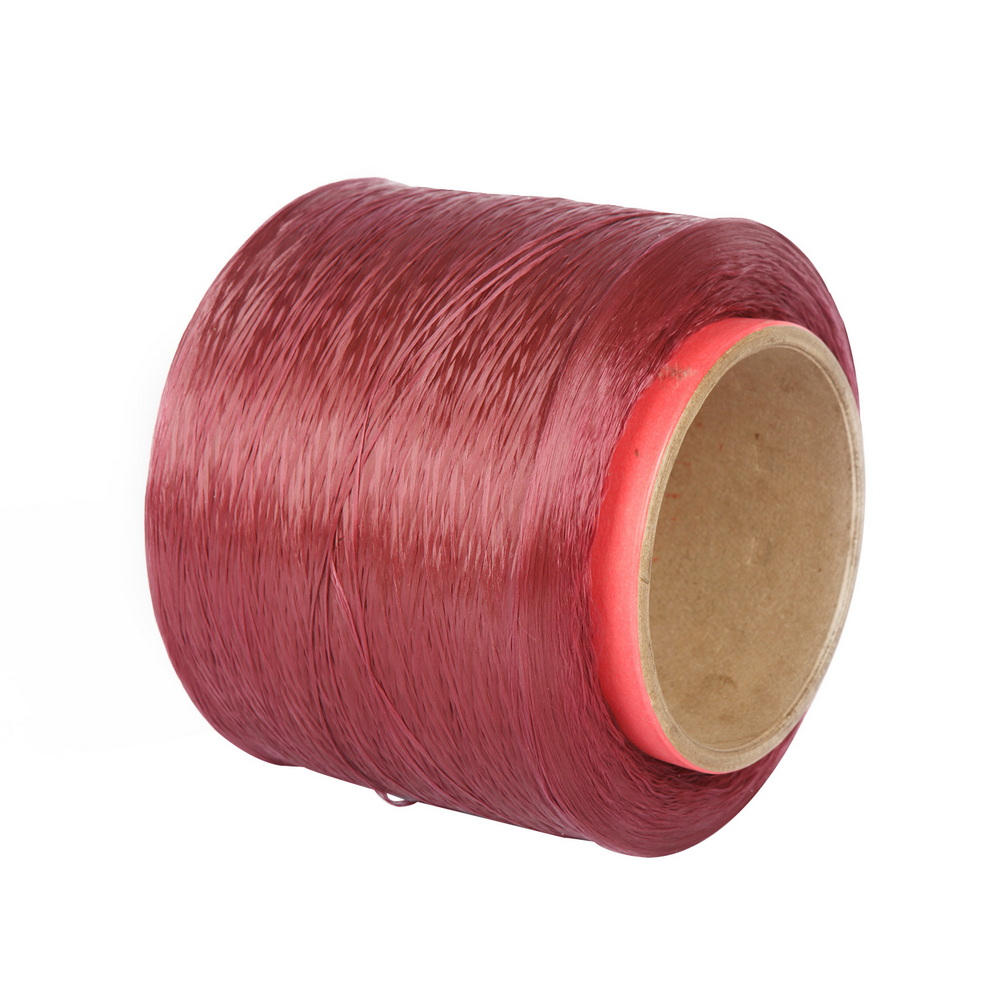
PP multifilament yarn consists of multiple fine continuous filaments bundled together to form one yarn. This structure generally provides greater flexibility and a softer hand than a comparable monofilament yarn.
PP multifilament yarn is widely used in textile and industrial applications, including:
Webbing and bag handle straps
Ropes and braided products
Shopping bag handle cords
Industrial sewing thread
Technical woven fabrics
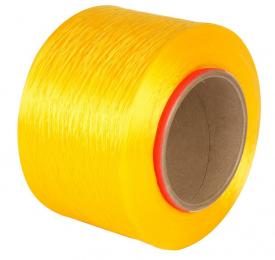
PP FDY is one common form of continuous multifilament polypropylene yarn.
The main difference is the number and arrangement of filaments within the yarn.
Filament structure: Monofilament contains one continuous filament, while multifilament contains multiple continuous filaments.
Flexibility: Multifilament yarn is generally more flexible and can provide a softer feel. Monofilament is usually firmer, depending on its diameter and construction.
Surface and appearance: Monofilament has a more distinct, single-filament appearance. Multifilament yarn has a bundled structure that can provide a more textile-like surface.
Processing: The best choice depends on the weaving, knitting, braiding, or other production process. Equipment settings may need to be adjusted for different yarn structures.
Buyers should select yarn based on the finished product rather than filament structure alone.
For flexible straps, bag handles, ropes, and many woven textile products, multifilament PP yarn may be a suitable option. For applications requiring a single, more defined filament, monofilament may be more appropriate.
Before placing a bulk order, confirm the required denier, filament structure, tensile strength, elongation, color, and processing conditions with the supplier. Testing a sample on actual production equipment is also recommended.
Is PP multifilament stronger than PP monofilament?
Not necessarily. Strength depends on the polymer grade, denier, filament dimensions, and manufacturing process. A direct comparison should use measured tensile strength under the same test conditions.
Is PP FDY a monofilament or multifilament yarn?
PP FDY is commonly supplied as a continuous multifilament yarn. Buyers should confirm the exact filament construction in the product specification.
Which PP yarn is better for bag handle straps?
Multifilament PP yarn is commonly used for flexible textile straps and bag handle cords. The appropriate denier and strength should be selected according to the strap design and load requirements.
Can monofilament and multifilament yarn be used in the same product?
Yes. Some technical products combine different yarn structures to achieve specific functional or structural properties.
Chuangda Plastics supplies polypropylene yarn solutions for B2B customers, including PP FDY, BCF, ATY, and twisted yarn. We support customized denier, color matching, and performance requirements for different production applications.
Visit Chuangda Plastics to learn more about our polypropylene yarn products.


 sales@cdfibre.com



View More(Total0)Comment Lists