

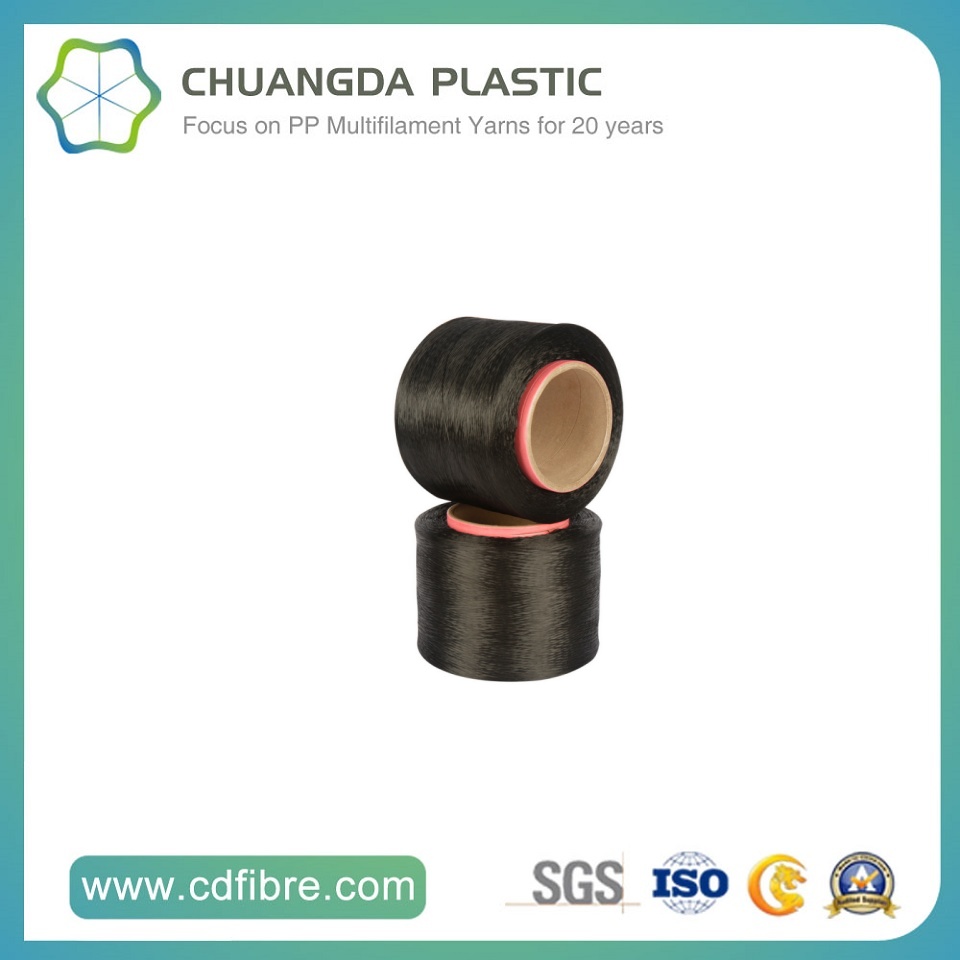
Virgin polypropylene yarn is manufactured from newly produced polypropylene resin, while recycled PP yarn is made using polypropylene material recovered and reprocessed from existing waste streams. The two options can differ in material consistency, performance, cost, and suitability for specific applications.
The right choice depends on the product's technical requirements, quality expectations, and purchasing priorities.
Virgin PP yarn is produced using virgin polypropylene resin rather than recycled polymer feedstock.
Its properties depend on the resin grade, additives, filament construction, and manufacturing process. When production is well controlled, virgin material can support consistent yarn specifications and predictable processing performance.
Virgin PP yarn may be preferred when buyers require tightly controlled color, strength, or other technical properties. However, these characteristics must still be confirmed through product specifications and testing.
Recycled PP yarn uses polypropylene recovered from sources such as manufacturing scrap or collected plastic waste. The material is processed into feedstock that can be used to manufacture new products.
Its performance depends on the source material, sorting and cleaning methods, recycling process, and quality controls.
Recycled material is not automatically unsuitable for demanding applications. However, buyers should verify whether the resulting yarn meets their required specifications rather than assuming it performs identically to virgin PP yarn.
Material source: Virgin yarn uses newly produced resin, while recycled yarn uses recovered and reprocessed polypropylene.
Consistency: Virgin resin can offer a more controlled starting material. Recycled material may show greater variation depending on feedstock quality and processing.
Color: Recycled feedstock may have limitations in color consistency, particularly when the source material varies. Actual results depend on material selection and color-control methods.
Performance: Strength, elongation, and processing behavior depend on the finished yarn, not simply whether the feedstock is virgin or recycled.
Cost and environmental impact: Neither option is universally cheaper or environmentally better in every situation. Prices, processing requirements, transport, recycled content, and product lifespan all influence the overall comparison.
Before purchasing, buyers should compare the actual yarn specifications and request samples for testing.
Important questions include:
What percentage of the yarn's material is recycled?
Are technical data and supporting documents available?
Does the yarn meet the required strength and elongation?
Is the color consistent with the finished-product requirements?
Can the supplier maintain the agreed specifications for repeat orders?
For applications with strict performance requirements, a production trial may be necessary before confirming a large order.
Virgin and recycled polypropylene yarn differ mainly in their material sources and the controls required to achieve the desired finished properties. Virgin material may offer a more predictable starting point, while recycled material can support the use of recovered resources when it meets the required specifications.
For B2B buyers, the most reliable decision comes from comparing documented properties, testing samples, and matching the yarn to its intended application.


 sales@cdfibre.com



View More(Total0)Comment Lists