

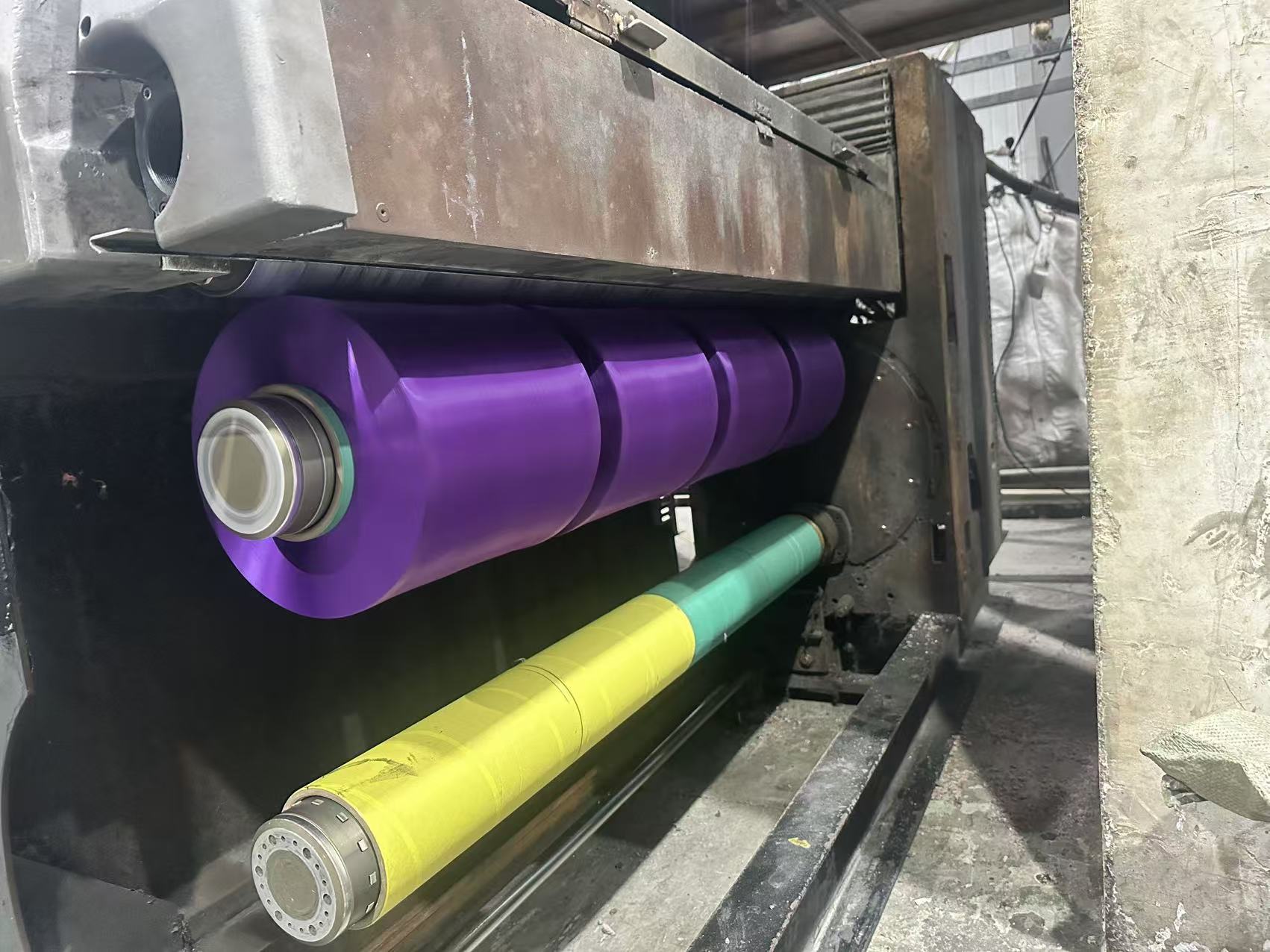
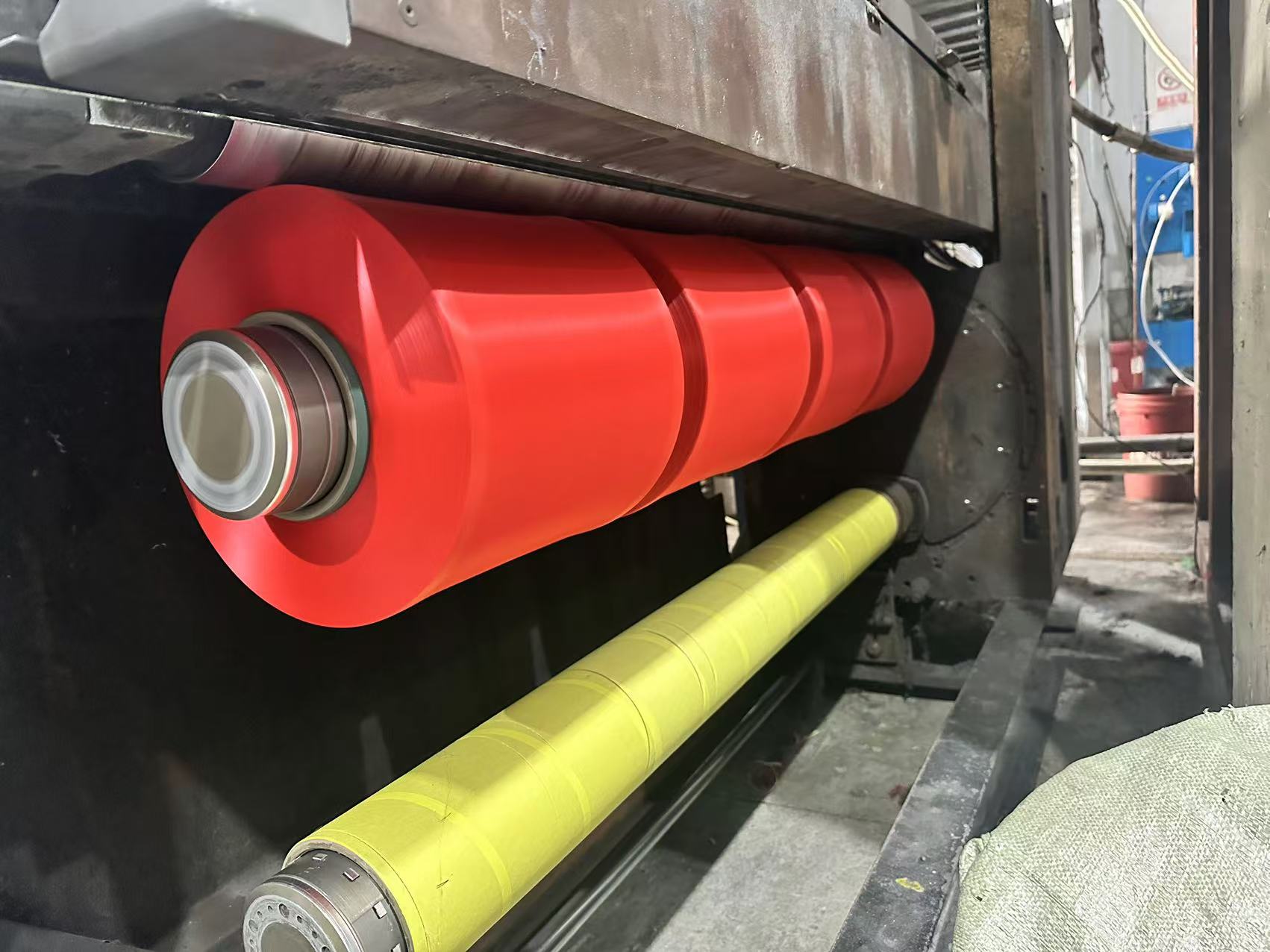
Polypropylene yarn is manufactured through a series of controlled production processes that transform polypropylene raw materials into strong and functional textile yarn.
The quality of PP yarn depends on raw material selection, spinning technology, stretching process, and production control.
A professional polypropylene yarn manufacturer uses advanced equipment and strict quality management to ensure consistent yarn performance.
Step 1: Preparing Polypropylene Raw Material
The production process starts with polypropylene resin, usually supplied in the form of polypropylene chips or pellets.
The raw material quality directly affects:
Yarn strength
Color consistency
Stability
Processing performance
High-quality polypropylene chips help manufacturers produce yarn with reliable performance.
Step 2: Melting and Extrusion
During production, polypropylene chips are heated until they become molten.
The melted polymer is then pushed through a spinneret to form continuous filaments.
The size and design of the spinneret influence:
Filament thickness
Yarn structure
Surface appearance
Step 3: Drawing and Heat Setting
After extrusion, the filaments are stretched through a drawing process.
This step improves:
Tensile strength
Molecular orientation
Yarn stability
For PP FDY yarn production, the yarn is fully drawn to achieve high strength and consistent quality.
Heat setting is then applied to reduce internal stress and improve dimensional stability.
Step 4: Winding and Quality Inspection
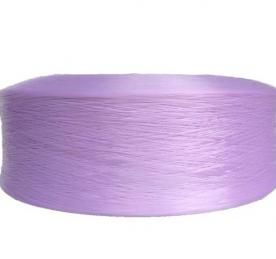
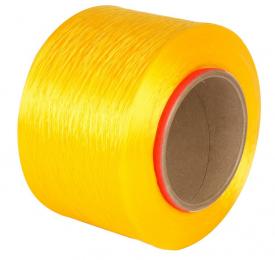
After processing, polypropylene yarn is wound onto bobbins or packages according to customer requirements.
Before shipment, manufacturers usually check:
Denier accuracy
Tensile strength
Elongation
Color consistency
Appearance quality
Strict inspection helps ensure stable performance for different applications.
Why Is Production Technology Important?
Different production technologies create different yarn properties.
Advanced manufacturing processes allow suppliers to customize:
Yarn denier
Strength level
Color
UV resistance
Packaging style
This flexibility allows polypropylene yarn to meet the requirements of different industries.
Conclusion
The production of polypropylene yarn involves multiple technical steps, from raw material preparation to final quality inspection.
Choosing an experienced PP yarn supplier ensures stable quality, reliable delivery, and customized solutions for industrial textile applications.
 |  |


 sales@cdfibre.com



View More(Total0)Comment Lists