

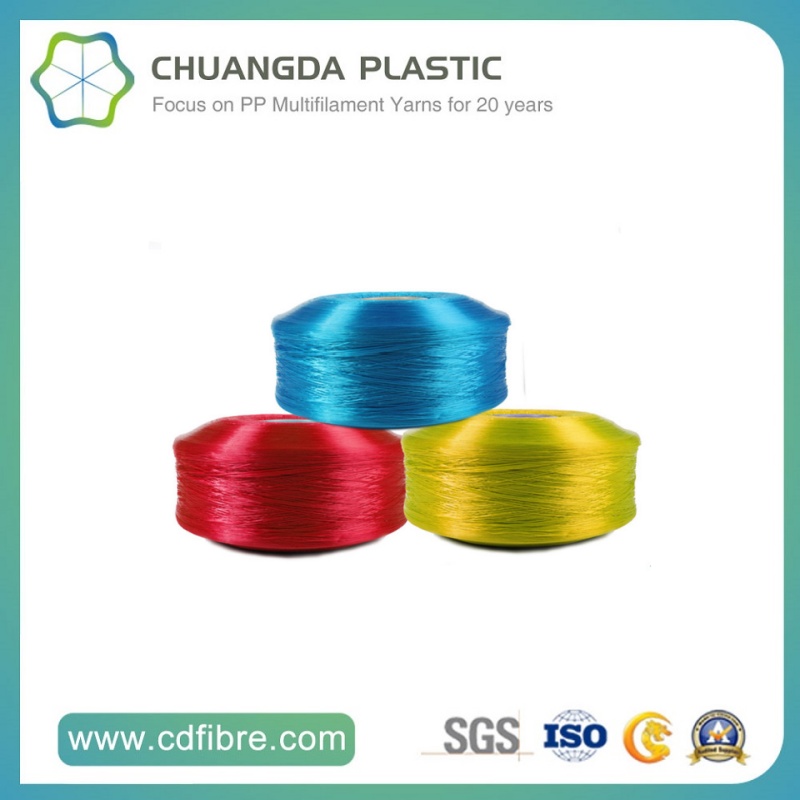
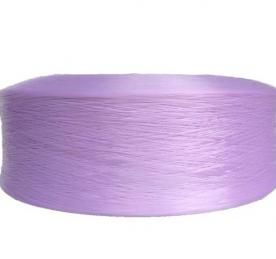
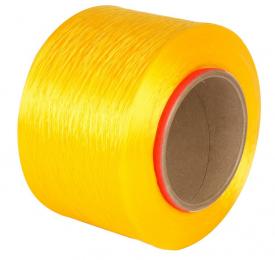
Polypropylene yarn, also known as PP yarn, is a synthetic yarn widely used in textile and industrial applications because of its unique combination of lightweight performance, strength, and durability.
Compared with many traditional fibers, polypropylene has a lower density, which means products made with PP yarn can achieve good strength while reducing overall weight.
This makes polypropylene yarn an ideal choice for manufacturers looking for cost-effective and high-performance textile materials.
What Are the Main Advantages of Polypropylene Yarn?
Polypropylene yarn provides several important advantages:
Polypropylene has one of the lowest densities among common textile fibers. It offers excellent strength-to-weight performance, making it suitable for ropes, webbing, packaging belts, and industrial fabrics.
Polypropylene absorbs very little water. It dries quickly and maintains stable performance in wet environments.
This property makes PP yarn suitable for outdoor textiles, agricultural fabrics, and marine-related products.
Polypropylene yarn has strong resistance to many chemicals, acids, and alkalis. It is commonly used in industrial applications where durability is important.
Modern PP yarn production allows manufacturers to customize:
Yarn denier
Strength
Color
UV resistance
Packaging methods
This helps customers select the right yarn for different applications.
What Products Are Made from Polypropylene Yarn?
Polypropylene yarn is widely used in:
Industrial ropes and lifting straps
Woven packaging bags
Geotextiles
Agricultural fabrics
Carpet backing materials
Outdoor textiles
Technical fabrics
Different production methods, such as FDY, BCF, and multifilament yarn technology, allow polypropylene yarn to meet different application requirements.
What Are the Limitations of Polypropylene Yarn?
Although polypropylene yarn has many advantages, it also has some limitations.
Compared with polyester, polypropylene has lower heat resistance. Long-term exposure to high temperatures may affect its performance.
For outdoor applications, UV-resistant additives are often added to improve weather durability.
Choosing the correct yarn type and production process is important for achieving the best results.
Conclusion
Polypropylene yarn is widely used in modern textile manufacturing because of its lightweight structure, high strength, moisture resistance, and chemical stability.
As a professional polypropylene yarn manufacturer, we provide customized PP FDY yarn, BCF yarn, and multifilament yarn solutions for customers worldwide.


 sales@cdfibre.com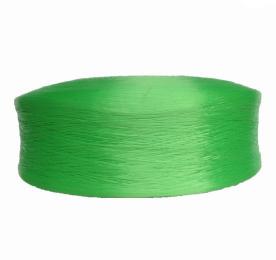



View More(Total0)Comment Lists