

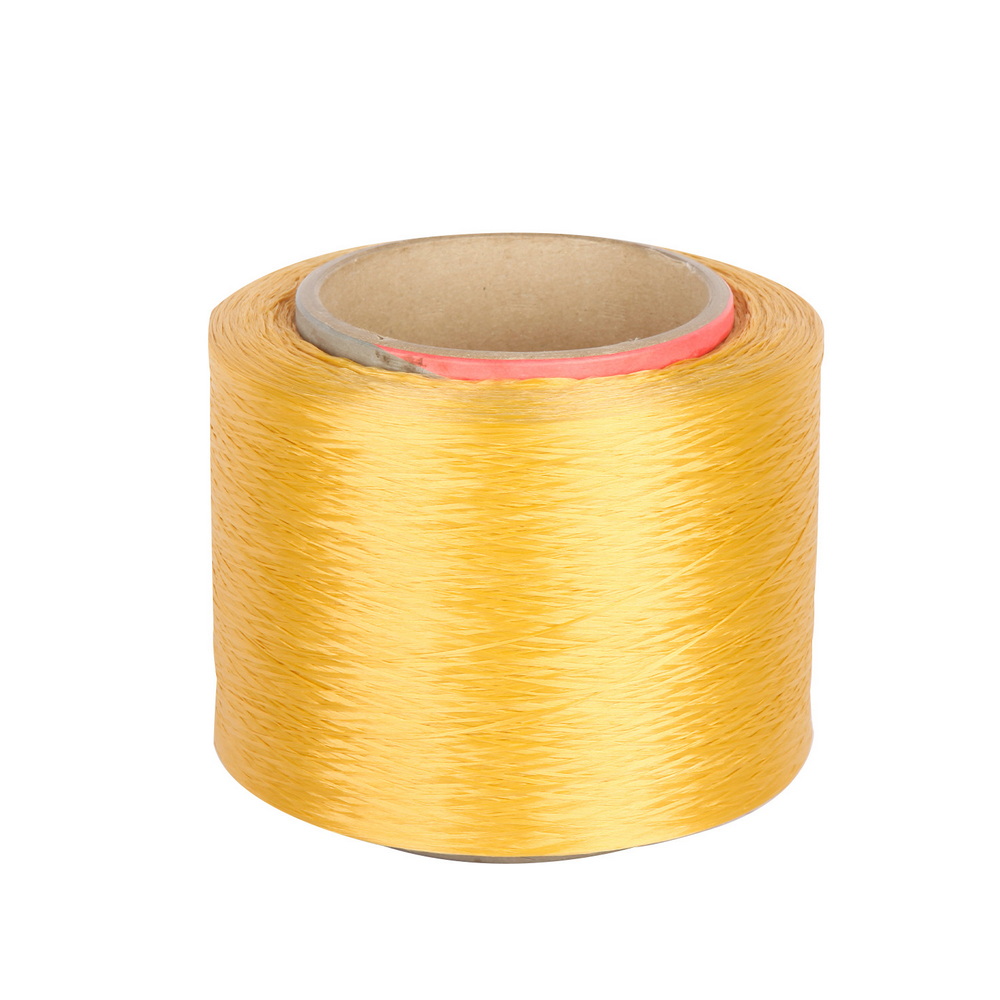
As sustainability becomes increasingly important in the textile industry, many buyers are evaluating the differences between virgin polypropylene yarn and recycled polypropylene yarn. Understanding their characteristics can help manufacturers select the most suitable material for their products.
Virgin polypropylene yarn is produced from newly manufactured polypropylene resin. Since it is made from unused raw materials, it typically offers consistent physical properties and stable processing performance.
Common advantages include:
Consistent tensile strength
Stable denier control
Uniform color appearance
Reliable processing performance
Virgin PP yarn is widely used in applications that require strict quality standards and stable mechanical properties.
Recycled polypropylene yarn is manufactured using recycled polypropylene materials that are reprocessed into usable fibers.
With advancements in recycling technology, high-quality recycled PP yarn can provide good performance while supporting sustainability goals.
Benefits include:
Reduced environmental impact
Lower consumption of virgin resources
Support for sustainable sourcing programs
The right choice depends on the application requirements.
For applications requiring maximum consistency and strength, virgin polypropylene yarn may be preferred.
For projects with sustainability objectives, recycled polypropylene yarn can be a suitable alternative when produced under controlled quality standards.
Both virgin and recycled polypropylene yarn have important roles in today's textile industry. Understanding performance requirements, quality expectations, and sustainability goals can help buyers make informed sourcing decisions.


 sales@cdfibre.com



View More(Total0)Comment Lists