

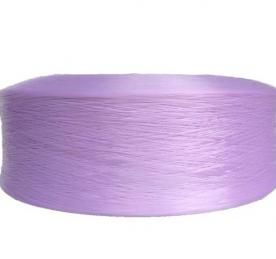
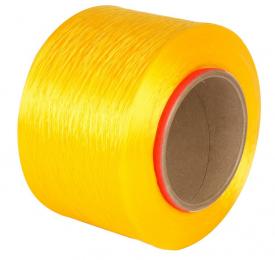
Polypropylene yarn has become one of the most widely used materials in industrial textiles due to its lightweight structure, high strength, and excellent chemical resistance. Compared with many traditional synthetic fibers, PP yarn offers a cost-effective solution while maintaining reliable performance in demanding environments.
Lightweight but Strong
With a density of only around 0.91 g/cm³, polypropylene is one of the lightest synthetic fibers available. Despite its low weight, PP yarn provides excellent tensile strength, making it suitable for ropes, webbing, geotextiles, and industrial fabrics.
Excellent Chemical Resistance
Polypropylene yarn performs well in acidic and alkaline environments. It resists corrosion and chemical degradation, which makes it widely used in filtration materials, chemical industries, and wastewater treatment applications.
Low Moisture Absorption
PP yarn absorbs almost no moisture, allowing it to maintain stable performance in wet conditions. This property is especially important for marine ropes, outdoor fabrics, and geotextiles.
Cost-Effective Solution
Compared with polyester and nylon, polypropylene yarn offers lower material and processing costs. This makes it ideal for large-scale industrial production where both performance and cost efficiency are important.
Wide Industrial Applications
Polypropylene yarn is commonly used in:
Ropes and cords
Geotextiles
Filter fabrics
Packaging materials
Industrial sewing threads
Conclusion
Thanks to its lightweight structure, durability, and resistance to chemicals and moisture, polypropylene yarn remains an ideal choice for various industrial applications.


 sales@cdfibre.com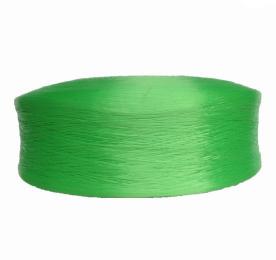



View More(Total0)Comment Lists