

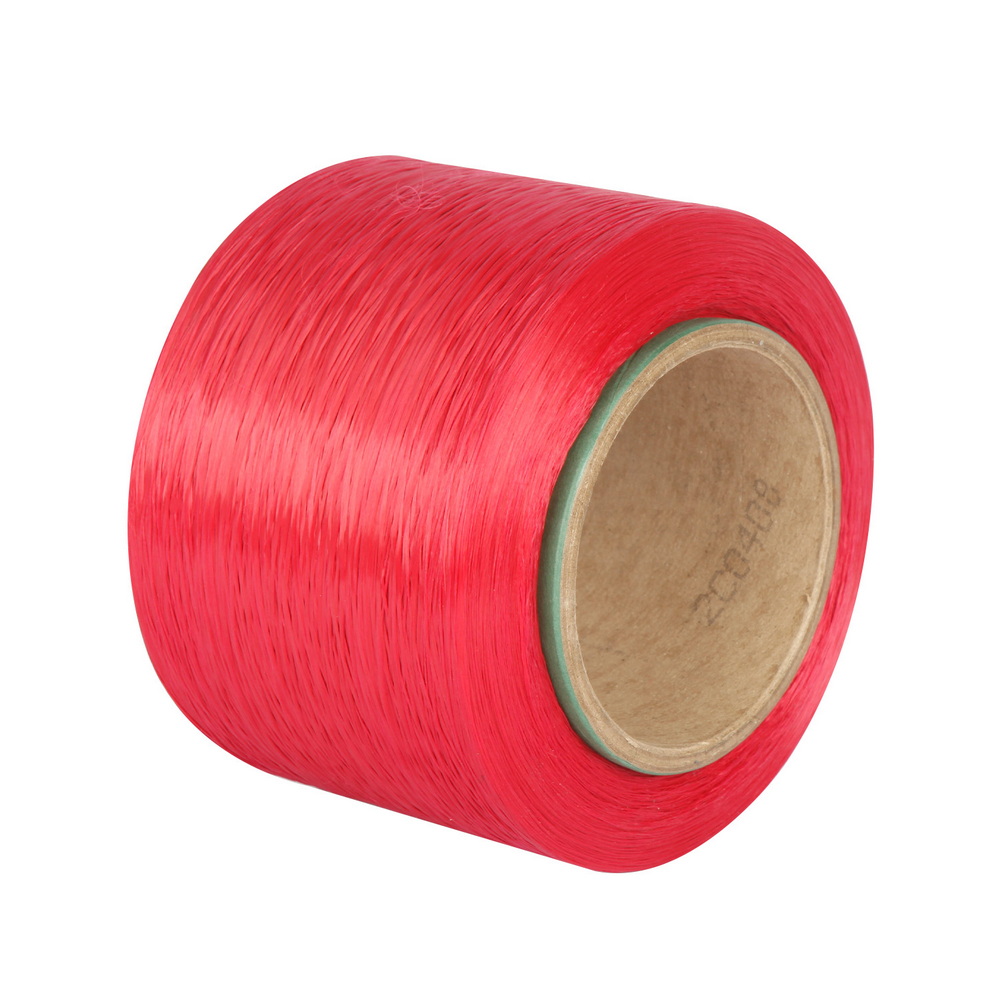
Denier is the most fundamental measurement in the textile industry used to define yarn thickness. By standard definition, denier refers to the weight in grams of 9,000 meters of continuous yarn. It is the universal benchmark for describing how fine or thick industrial filament yarns are.
Why Denier Matters
Denier directly determines the physical properties, strength, weight, and end-use suitability of yarn.
Higher denier = thicker, heavier, stronger yarn with better durability
Lower denier = finer, lighter, softer, and more flexible yarn
Common Industrial Applications
Yarn selection entirely depends on matching denier to working conditions.
High denier yarns are ideal for heavy-duty applications such as industrial ropes, lifting slings, geotextiles, truck tarps, safety webbing, and automotive fabrics.
Low denier yarns suit lightweight technical textiles, fine filtration materials, protective apparel, and flexible industrial fabrics.
Denier and Overall Performance
Choosing the correct denier creates an optimal balance between tensile strength, flexibility, abrasion resistance, and production cost.
Over-specifying with unnecessarily high denier wastes raw materials and increases costs, while under-specifying leads to insufficient strength and premature product failure. Denier compatibility also affects weaving, braiding, and processing stability during manufacturing.
Key Misconception
Denier measures yarn thickness, not inherent fiber quality. For the same fiber material, higher denier brings greater strength, but performance also depends on fiber type, twist structure, and production technology.
Conclusion
Understanding yarn denier is essential for manufacturers, suppliers, and buyers. It simplifies yarn selection, guarantees product performance, reduces material waste, and ensures industrial textiles meet their intended functional requirements.


 sales@cdfibre.com



View More(Total0)Comment Lists