

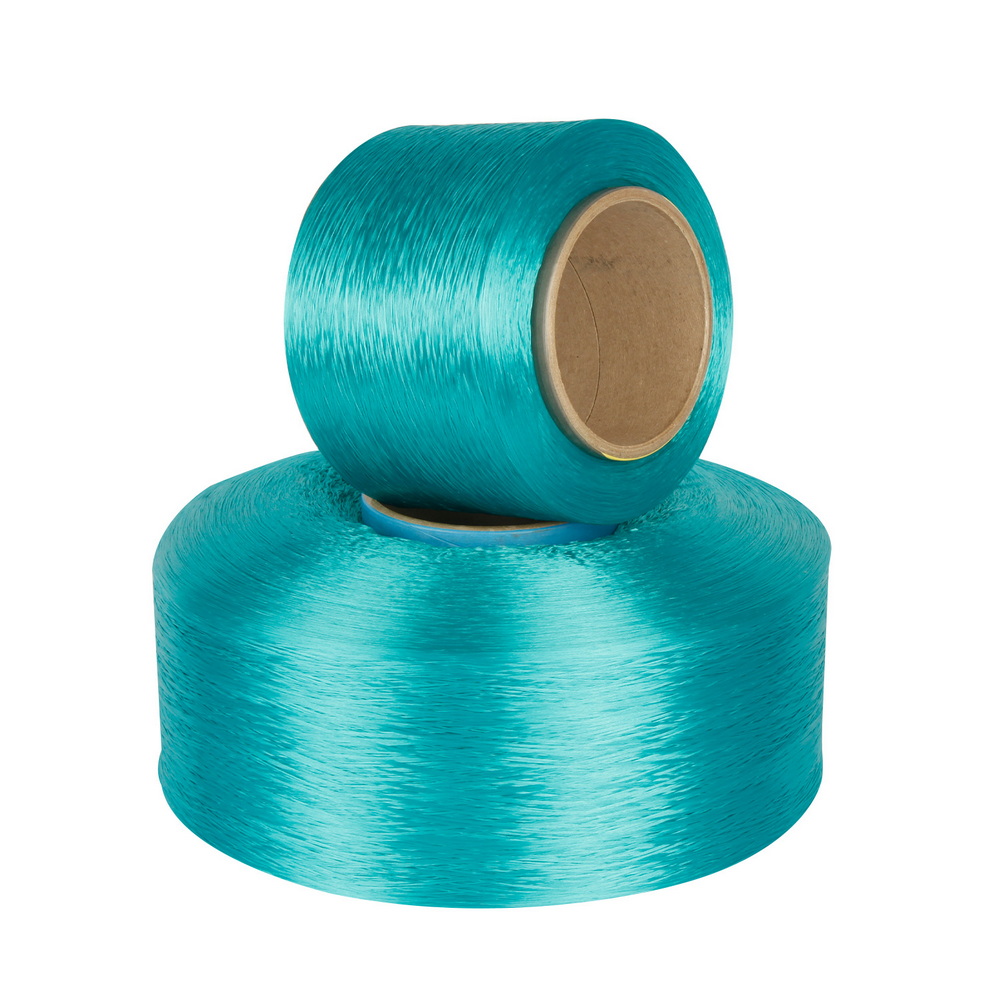
Polypropylene shaped fiber is widely used across textile and industrial sectors due to its enhanced surface structure, improved functionality, and lightweight performance. Compared with conventional round fibers, shaped fibers provide better moisture management, bulkiness, and visual effects, making them suitable for a broader range of applications.
Apparel and Textiles
Polypropylene shaped fiber is used in apparel and textile products where comfort and appearance are important. Its special cross-section can create silk-like or linen-like effects, improving fabric texture and visual appeal. In addition, the fiber structure enhances moisture wicking and quick-drying performance, making it suitable for sportswear, underwear, and functional fabrics.
Home Textiles
In home textile applications, shaped fibers are used in curtains, upholstery fabrics, and bedding products. The improved bulkiness and softness contribute to better comfort, while the unique luster enhances decorative appearance.
Filling and Insulation Materials
Hollow shaped polypropylene fibers are widely used as filling materials in pillows, quilts, and insulation products. Their internal air structure provides excellent thermal insulation, lightweight properties, and long-lasting resilience.
Filtration Materials
Thanks to the increased surface area of shaped fibers, polypropylene shaped fiber is highly suitable for filtration applications. It is commonly used in filter fabrics and filter media in industries such as water treatment, chemical processing, and environmental protection.
Industrial Applications
Polypropylene shaped fiber is also used in various industrial applications, including geotextiles and nonwoven materials. Its durability, chemical resistance, and dimensional stability make it suitable for infrastructure projects and long-term use in harsh environments.
Outdoor and Functional Applications
With the addition of UV stabilizers, polypropylene shaped fiber can be used in outdoor products that require weather resistance. It is suitable for applications exposed to sunlight, moisture, and varying environmental conditions.


 sales@cdfibre.com



View More(Total0)Comment Lists